
Exercise Physiology
What is Exercise Physiology?
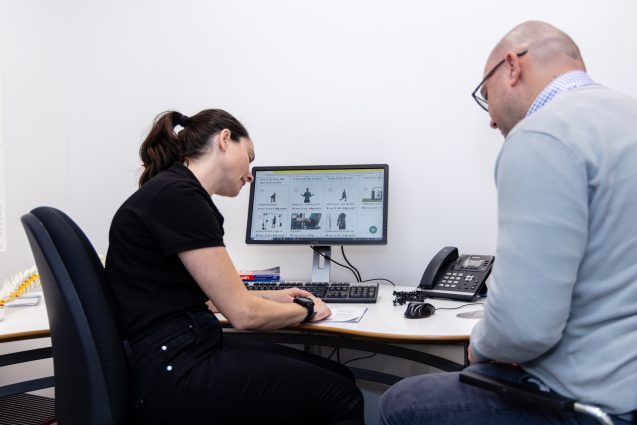
Exercise physiology is a field of study and practice that focuses on how the body responds and adapts to physical activity and exercise. Exercise physiologists are experts in understanding the physiological and biochemical changes that occur within the body during exercise and how these changes impact overall health and performance.
Exercise physiologists use their knowledge to design and implement exercise programs tailored to individuals or specific populations, taking into account factors such as age, fitness level, health conditions, and goals.
What do Exercise Physiology treatments entail?
Assessment and Testing: Exercise physiologists utilize a range of assessments and tests to evaluate an individual’s fitness level, exercise capacity, and physiological responses to exercise. This may involve measuring heart rate, blood pressure, oxygen consumption, muscular strength, flexibility, body composition, and other relevant parameters.
Exercise Prescription: Based on the assessment results, exercise physiologists develop exercise programs tailored to specific goals or health conditions. These programs include recommendations for the type, intensity, duration, and frequency of exercise, as well as progression over time. They consider the principles of exercise physiology to optimize benefits and minimize risks.
Health and Rehabilitation: Exercise physiologists work with individuals who have chronic diseases, injuries, or disabilities to develop exercise programs that aid in their rehabilitation and overall health management. They collaborate with other healthcare professionals to design exercise interventions that promote functional improvement, cardiovascular health, weight management, and psychological well-being.
Sports Performance: Exercise physiologists play a role in enhancing athletic performance by analyzing the physiological demands of sports, developing training programs, and monitoring athletes’ responses to exercise. They may conduct performance testing, assess energy systems, provide nutritional guidance, and advise on recovery strategies to optimize sports performance.
